
Platelet‐Rich Plasma (PRP) Therapy— Lake Travis, TX
Pioneering Regenerative Medicine
Elite Foot & Ankle Associates is a leader in regenerative podiatry. Dr. Souliotis was among the first practitioners in Austin to offer Platelet‑Rich Plasma (PRP) alongside stem cell therapy, shockwave treatment and investigational peptides. Our goal is to harness your body’s innate healing capacity to accelerate recovery, reduce pain and improve function without relying solely on medications or surgery.
By combining multiple regenerative modalities, we can create a robust healing environment that addresses chronic foot and ankle conditions at their source. Each therapy plays a complementary role, and together they represent the next frontier in musculoskeletal medicine.
What Is PRP Therapy?
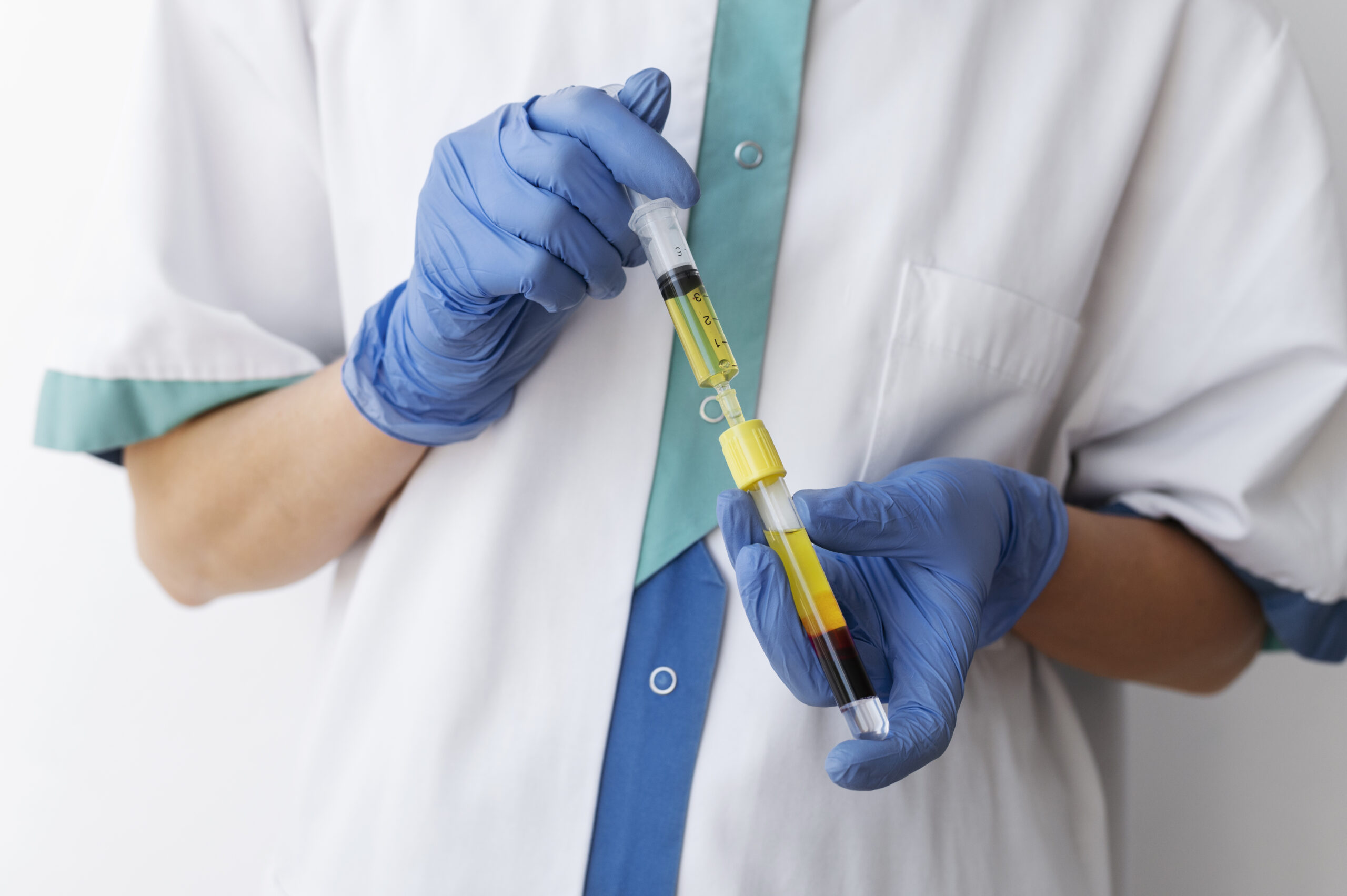
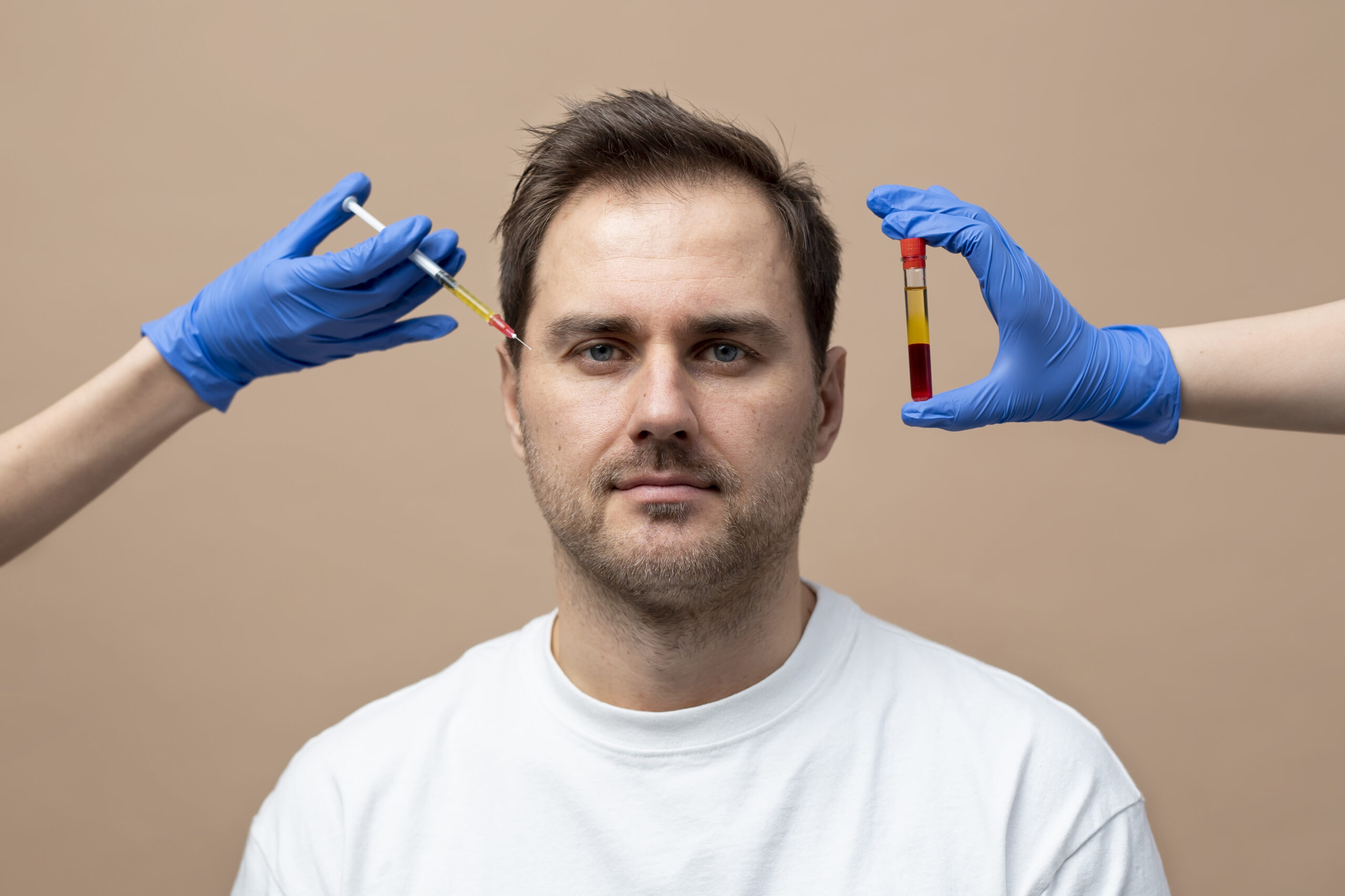
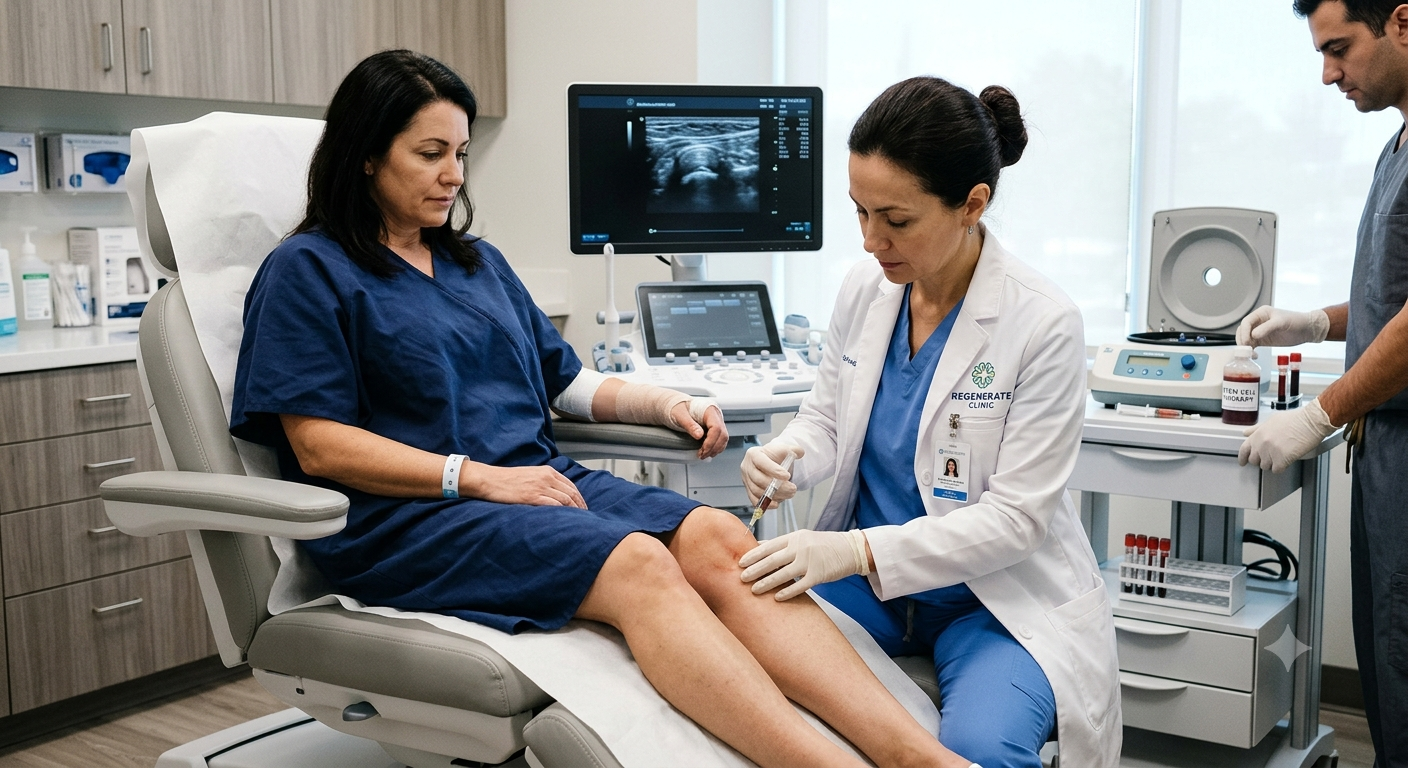
PRP therapy begins by drawing a small sample of your blood. The sample is spun in a centrifuge to isolate platelets and plasma, concentrating the growth factors that orchestrate healing. Under ultrasound guidance, your podiatrist injects this platelet‑rich layer into the injured area, delivering a high dose of biological signals directly where they’re needed.
Because the product is derived from your own blood, the risk of allergic reactions or disease transmission is extremely low. Treatments are performed in our office, and patients typically resume daily activities the same day.
How PRP Works
Platelets contain numerous growth factors, including platelet‑derived growth factor (PDGF), transforming growth factor beta (TGF‑β) and vascular endothelial growth factor (VEGF). These molecules regulate inflammation, stimulate cell division and promote the formation of new blood vessels. When injected into damaged tissue, they trigger a cascade of biological processes that help the body repair itself more efficiently.
By concentrating these signals in the injured area, PRP helps control excessive inflammation, jump‑start collagen synthesis and recruit stem cells and other reparative cells. The therapy acts like a “signal boost,” telling your body how and when to heal.
Conditions Treated with PRP
In podiatry, PRP is used to treat chronic plantar fasciitis, Achilles tendinopathy, ligament sprains, foot and ankle arthritis and persistent heel pain. These conditions often fail to respond to rest, orthotics or anti‑inflammatory medications and can become debilitating if not addressed at the source.
PRP can also enhance healing after foot or ankle surgery by supporting tissue regeneration during recovery. Because it promotes repair rather than simply masking symptoms, PRP is well suited for degenerative and overuse injuries.
Evidence & Success Rates
Large studies and meta‑analyses show that PRP achieves clinically meaningful improvements in pain and function at 1, 3, 6 and 12 months across various musculoskeletal disorders. Appropriately selected patients experience meaningful improvements in roughly 50–70 % of cases, with higher success rates when the platelet concentration is high. PRP often provides more durable relief than corticosteroid or hyaluronic acid injections because it addresses underlying tissue damage.
Results vary based on disease severity, platelet concentration and adherence to post‑treatment rehabilitation. Your doctor will discuss realistic expectations during your consultation.


Patient Selection & Safety
Ideal candidates for PRP have chronic symptoms lasting more than three months and have tried conservative treatments without success. Mild to moderate disease severity and a willingness to participate in physical therapy enhance the likelihood of benefit. Serious complications are exceedingly rare.
We typically use leucocyte‑poor PRP to reduce inflammatory reactions while maintaining efficacy. Patients should avoid blood‑thinning medications before treatment. During your evaluation we’ll review your health history to ensure PRP is safe and appropriate.
PRP vs. Steroid & Hyaluronic Acid Injections
Corticosteroid injections offer rapid pain relief but can weaken tendons or cause fat pad atrophy when repeated. Their effects often fade within weeks. Hyaluronic acid injections lubricate arthritic joints but lack the biological signals that drive tissue repair.
In contrast, PRP delivers growth factors that reduce inflammation and stimulate regeneration, providing longer‑lasting improvements. Many patients find that PRP offers durable relief without the potential downsides associated with steroids.
Integrating Stem Cell Therapy
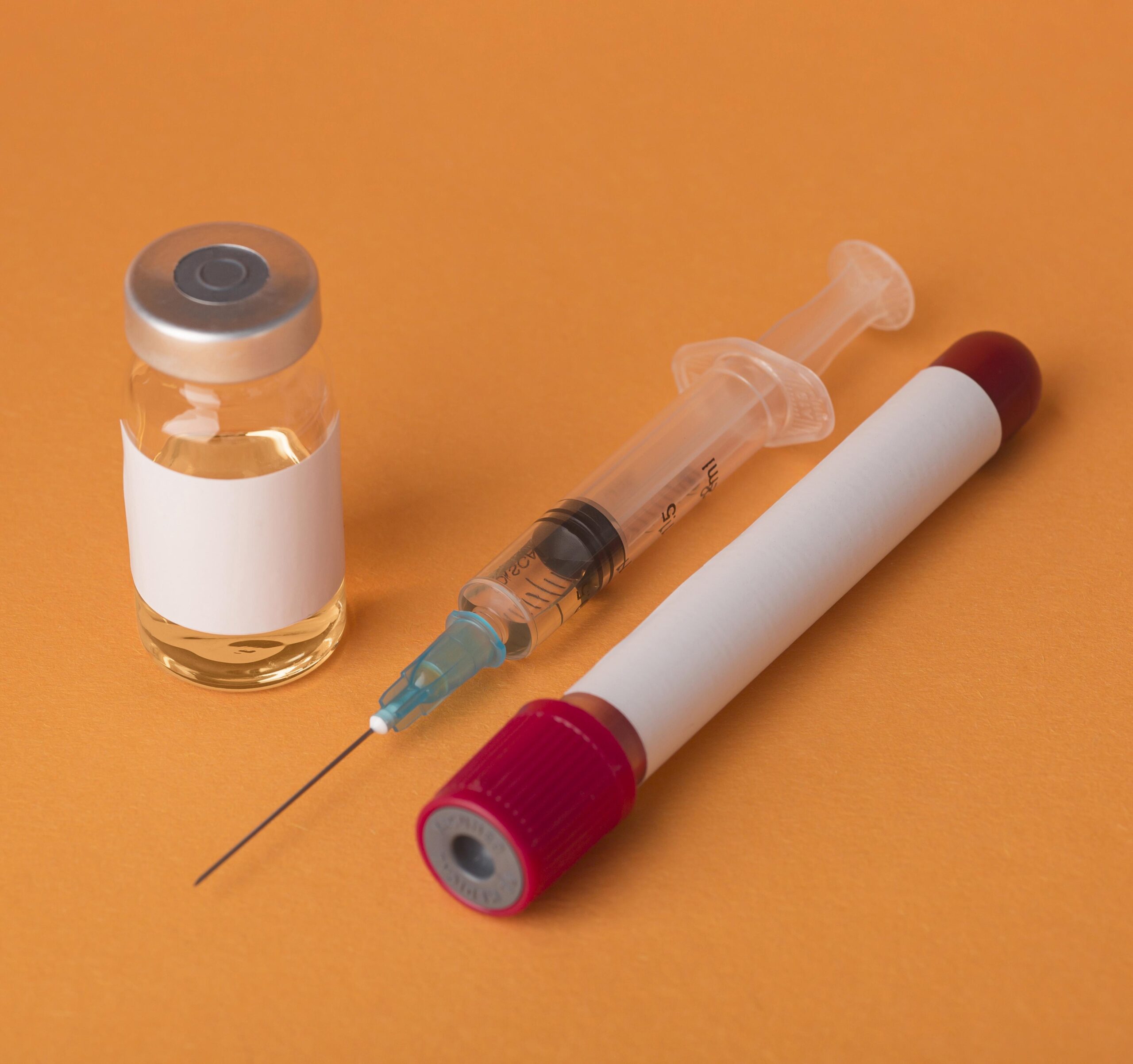
Stem cells harvested from bone marrow or adipose tissue can differentiate into tendon, ligament or bone cells and secrete their own array of growth factors. When combined with PRP, stem cells enhance the regenerative environment and may accelerate healing for difficult conditions such as chronic Achilles tendinopathy, cartilage defects or non‑union fractures.
Clinical experience shows that blending PRP and stem cell therapy often leads to higher success rates and faster recovery compared with either therapy alone. Your doctor will discuss whether this combination is appropriate for your condition.
Integrating Shockwave Therapy
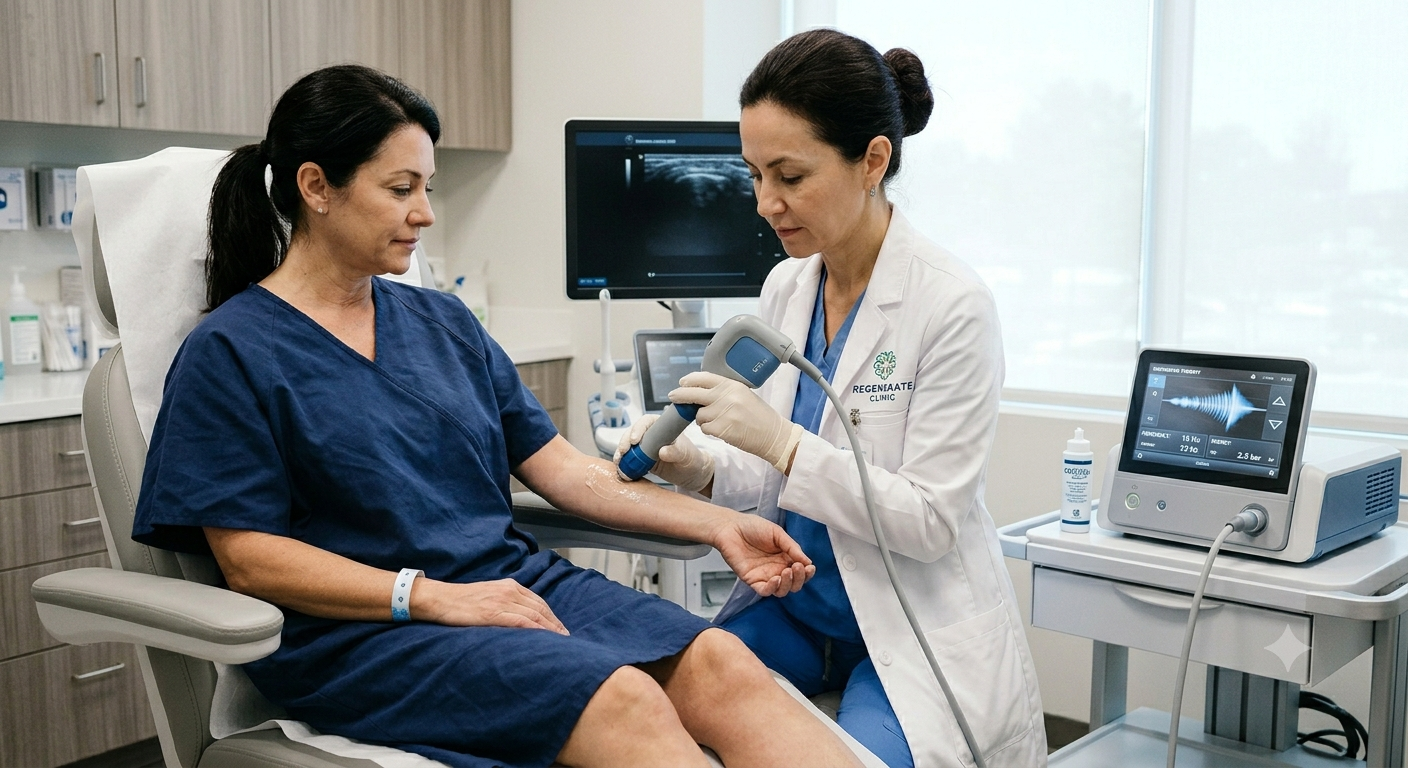
Extracorporeal shockwave therapy (ESWT) uses high‑energy acoustic waves to increase blood flow, break up scar tissue and stimulate cellular activity. Treatments last about 15–20 minutes and usually require little or no downtime. Studies report success rates of 70–90 % for chronic plantar fasciitis and Achilles tendinopathy.
When used with PRP, shockwaves “prime” the tissue to respond to injected growth factors. This combination can accelerate pain relief, improve function and reduce the number of injections needed.
Integrating Peptide Therapy
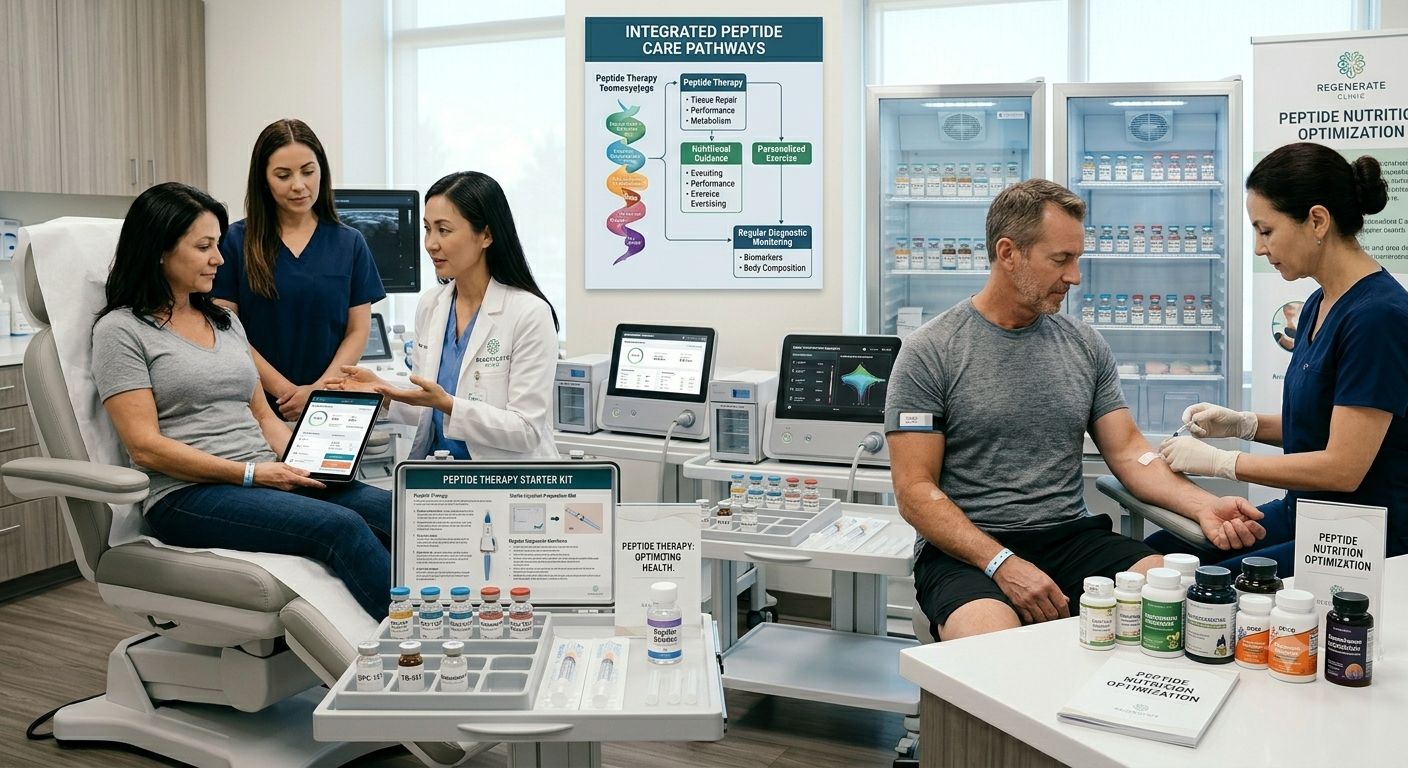
BPC‑157 and related peptides are investigational compounds that may encourage collagen synthesis, reduce inflammation and support nerve regeneration. Although human data are limited, these peptides are sometimes used to augment PRP and stem cell treatments, especially in severe or recurrent cases.
Because peptide therapy is still under regulatory review, we discuss potential benefits and uncertainties during your consultation. When used judiciously, peptides can provide an additional layer of biological signaling.
Personalized Treatment & Monitoring
Every patient receives a customized treatment plan. We may recommend a series of PRP injections spaced several weeks apart, combined with physical therapy, orthotics or other supportive measures. Proper rehabilitation maximizes the benefits of regenerative therapies.
Follow‑up appointments allow us to monitor progress, adjust the treatment plan and integrate additional modalities if results plateau. Our goal is to provide long‑term relief and help you return to your favorite activities as quickly and safely as possible.