
Fat Grafting (Liposana) for Foot Cushioning — Lake Travis, TX
What Is Fat Pad & Atrophy?
The plantar fat pad is a specialized layer of adipose tissue beneath the heel and forefoot. It
cushions bones and absorbs shock with every step. Over time, this tissue can deteriorate due to
aging, high‐impact activities, trauma or metabolic conditions, leading to fat pad atrophy. Patients
often describe feeling as if they are “walking on bone.”
Fat pad atrophy results in sharp heel or forefoot pain that worsens with prolonged standing or
walking. Our clinic offers fat grafting as a regenerative solution to restore lost cushioning and
reduce pain.

Risk Factors & Prevalence
Risk factors for fat pad atrophy include repetitive stress, cortisone injections, surgical scarring,
autoimmune diseases and diabetic neuropathy. Natural aging and systemic conditions also
contribute to thinning of the plantar fat pad. Up to one‐third of adults over age 60 may experience
forefoot fat pad atrophy.
Younger individuals can also be affected, particularly after trauma or due to structural foot
deformities. Recognizing these risk factors helps guide prevention and treatment strategies.
Symptoms & Diagnosis
Common symptoms include heel or metatarsal pain, increased sensitivity on hard surfaces and
visible thinning of the fat pads. Patients may notice less cushioning and greater prominence of
bony structures under the skin.
Diagnosis involves a detailed medical history, physical examination and imaging such as
ultrasound or MRI to document thinning of the plantar soft tissue and exclude other causes of
foot pain. Accurate diagnosis is key to choosing appropriate treatment.

Limitations of Conservative Treatment
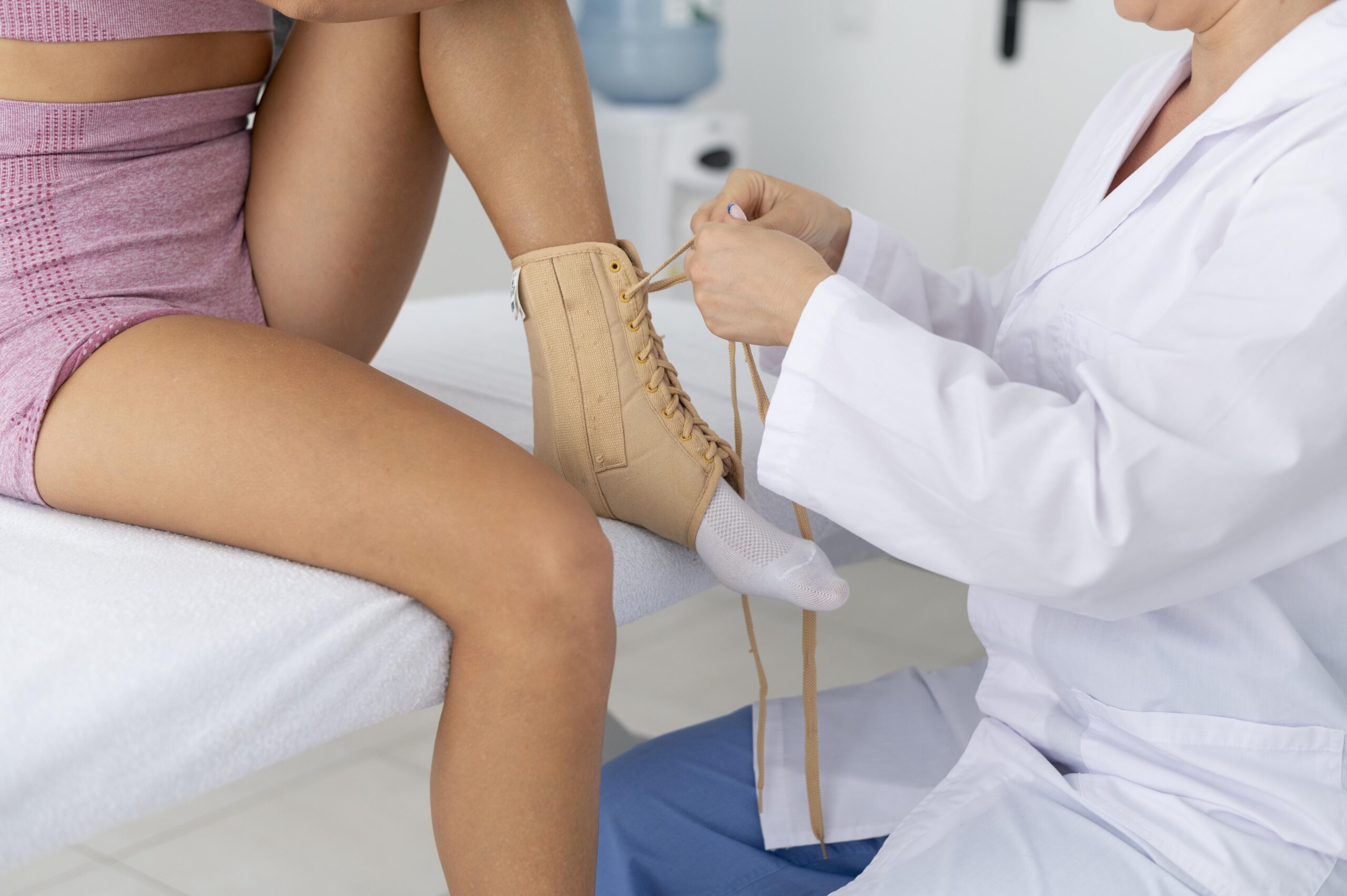
Cushioned insoles, orthotics and offloading pads can provide temporary pain relief, but they
require ongoing daily use and do not restore lost tissue. Specialized footwear may improve
comfort, but it does not replace the native fat pad.
In severe cases, surgery may be recommended to correct structural deformities, but surgical
options come with significant recovery time and potential complications. Fat grafting offers a
minimally invasive alternative that aims to replace lost cushioning instead of merely
accommodating it.
Overview of Fat Grafting
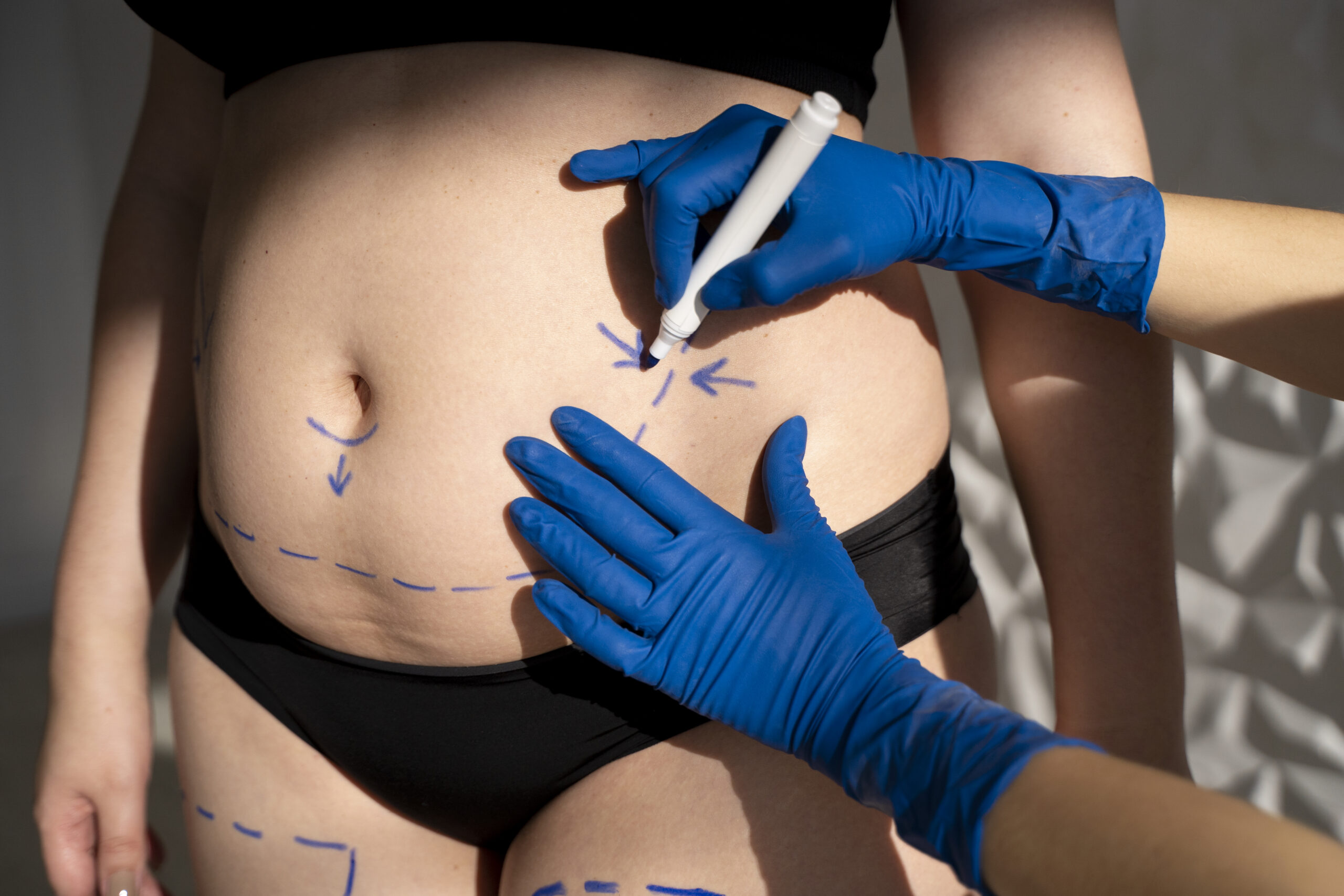
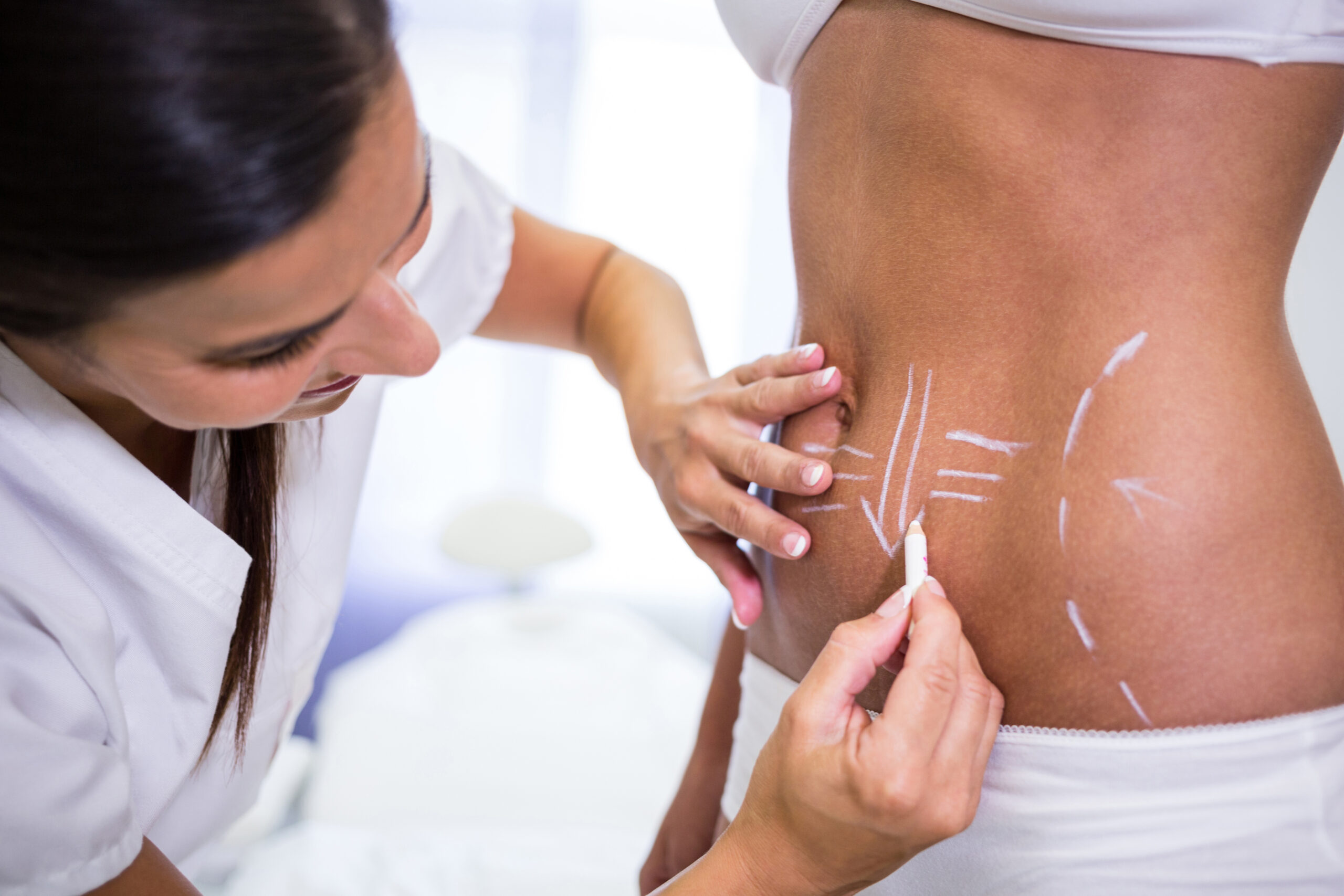
Fat grafting restores lost cushioning by injecting adipose tissue into areas of atrophy. The graft
can be autologous (harvested from the patient’s body) or derived from screened donors. Living
fat provides a natural, durable cushion that integrates into the foot better than synthetic fillers.
At Elite Foot & Ankle, we often use the Liposana system, which delivers a cryopreserved human
adipose tissue allograft (hATA) that retains the native architecture of fat. This allows it to integrate
seamlessly into the foot and provide long‐lasting support.
Liposana Procedure & Product
The Liposana allograft is sourced from donor adipose tissue that undergoes rigorous screening,
processing and storage in compliance with FDA and tissue bank regulations. The allograft is
supplied in sterile vials and retains the cushioning properties of native fat.
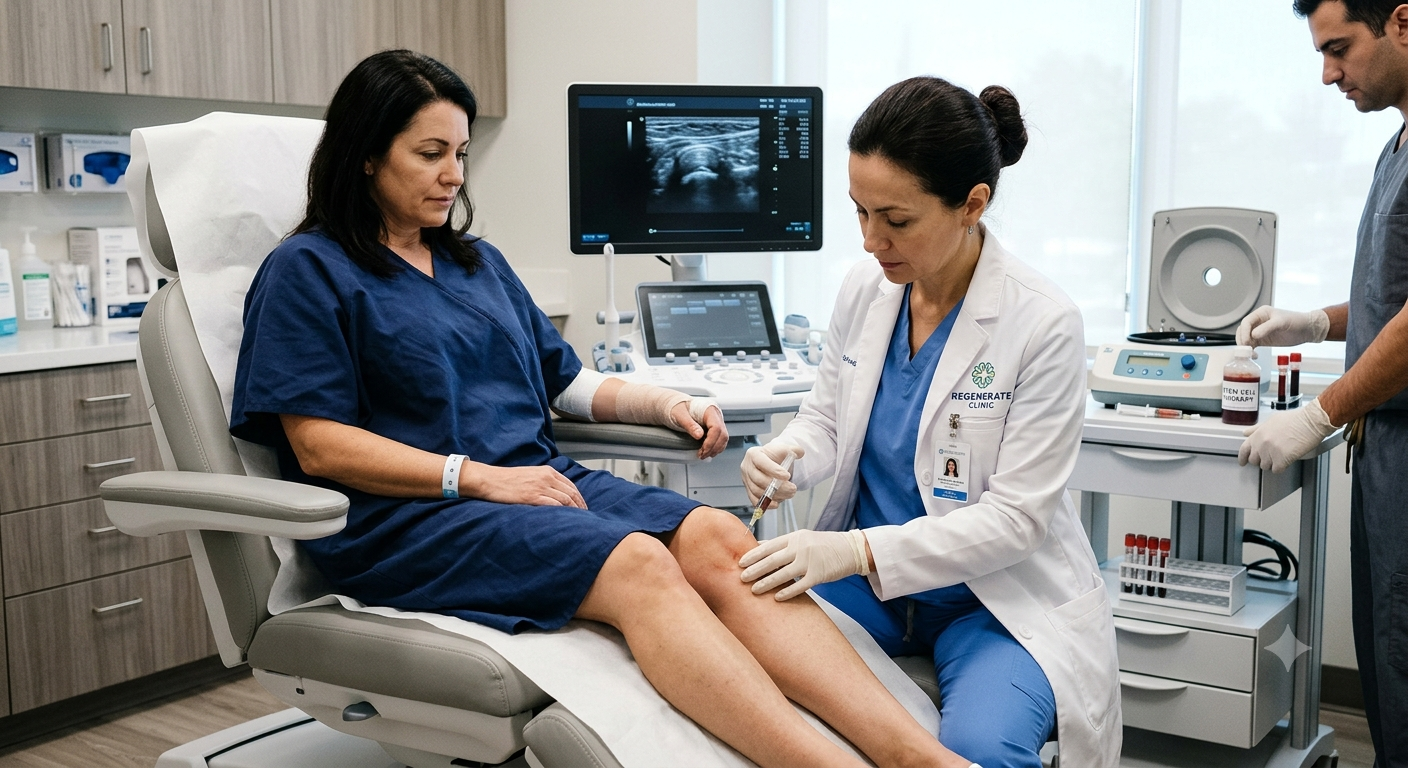
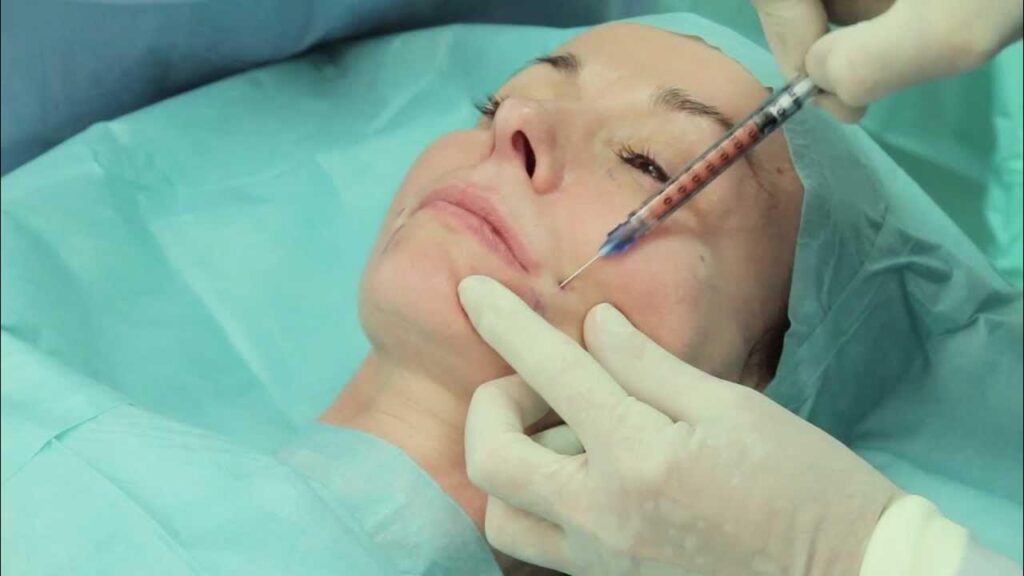
During the procedure, your podiatrist makes a small incision and injects the allograft into the area
of fat pad loss using a blunt‐tip cannula. Local anesthesia ensures comfort, and most procedures
are completed in an office setting with minimal downtime.
Clinical Evidence & Outcomes
A pilot study involving patients with metatarsalgia secondary to fat pad atrophy found that
injecting human adipose tissue allograft increased plantar fat pad thickness by about two‐thirds
and improved disability scores by more than 18 points at 12 weeks. No adverse events were
reported, and 90 % of treated feet showed structural and functional improvement.
Although this study was small, it suggests that fat grafting can safely restore cushioning and
reduce pain. Outcomes vary depending on patient factors and adherence to postoperative care.
Enhancing with PRP & Stem Cells
To improve graft survival and integration, we often combine fat grafting with PRP. The growth
factors in PRP promote angiogenesis and tissue remodeling, helping the grafted fat establish a
blood supply and become a living part of your foot. Autologous stem cell injections may also
supply progenitor cells that differentiate into adipocytes.
These additions create a supportive environment that may enhance long‐term results and reduce
the number of repeat procedures needed.
Enhancing with Shockwave & Peptides
Shockwave therapy applied before or after fat grafting stimulates circulation and cellular activity,
creating a more favorable environment for graft integration. Low‐energy shockwaves encourage
vascularization and tissue repair without damaging the graft.
Investigational peptides such as BPC‐157 may be used to support tendon and ligament healing
around the injection site. When combined with fat grafting, PRP and stem cells, peptides offer an
extra layer of biological signaling that may enhance overall foot function.

Patient Selection & Candidacy
Fat grafting is suitable for individuals with symptomatic heel or forefoot fat pad atrophy who have
not responded to orthotics, padding or other conservative measures. Candidates should have
realistic expectations and be committed to postoperative care. We carefully evaluate foot
structure, activity level and medical history, and we avoid grafting when there is active infection or
uncontrolled diabetes.
Your doctor will work with you to decide whether fat grafting, alone or in combination with other
regenerative therapies, fits your goals.
Safety & Post‐Procedure Care
Fat grafting is generally safe when performed by experienced clinicians. Local anesthesia
minimizes discomfort, and most patients return to normal activities within a few days. We provide
detailed instructions for offloading, wearing supportive footwear and gradually returning to
weight‐bearing activities to maximize graft survival.
Investigational peptides such as BPC‐157 Regular follow‐up appointments allow us to monitor healing, address any concerns and adjust
your care plan. Serious complications are rare, but we remain vigilant to protect your wellbeing.
Doctor’s Unique Approach & Consent
Dr. Souliotis combines fat grafting with the latest regenerative therapies, making our clinic one of
the few in Texas to offer this comprehensive approach. Her expertise ensures that procedures
are tailored to each patient’s needs and incorporate state‐of‐the‐art techniques.
Before treatment, we provide full informed consent covering the evidence base, costs, alternative
treatments and the investigational nature of some adjunct therapies. This collaborative process
empowers you to make informed decisions about your care.