
Regenerative Protein Array (RPA) Therapy— Lake Travis, TX
Introduction to RPA Therapy
Regenerative Protein Array (RPA) therapy is an acellular treatment that delivers a complex mix of
proteins, growth factors and cytokines derived from placental tissue. Unlike cell‐based therapies,
RPAs contain no live cells or DNA, reducing the risk of immune rejection. Elite Foot & Ankle
Associates is among the first clinics in Austin to offer RPA as part of a comprehensive
regenerative medicine program for foot and ankle conditions.
RPA therapy aims to restore communication between cells by supplying a balanced array of
healing signals. In concert with stem cells, PRP, shockwave therapy and peptides, it helps create
a holistic healing environment.
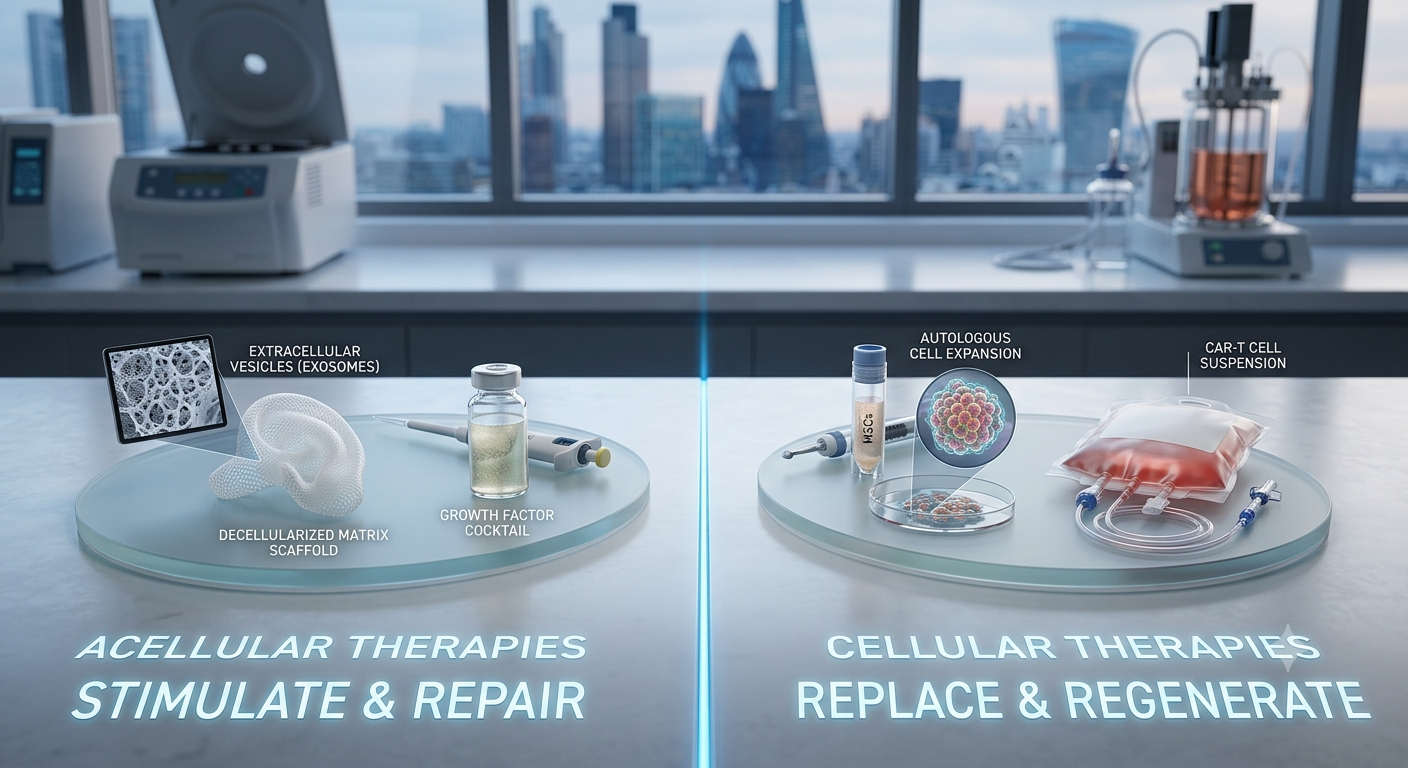
Acellular vs. Cellular Therapies
PRP and stem cell therapies introduce cells that release growth factors and differentiate into new
tissue. RPA delivers pre‐made signals without introducing live cells. This distinction makes RPA
safer for individuals with autoimmune concerns and bypasses the ethical and logistical issues of
cell harvesting.
Because RPAs function more like a sophisticated drug—a curated mixture of bioactive molecules
— they can be administered to prime the tissue environment without changing its cellular
makeup.
The Importance of Healing Signals
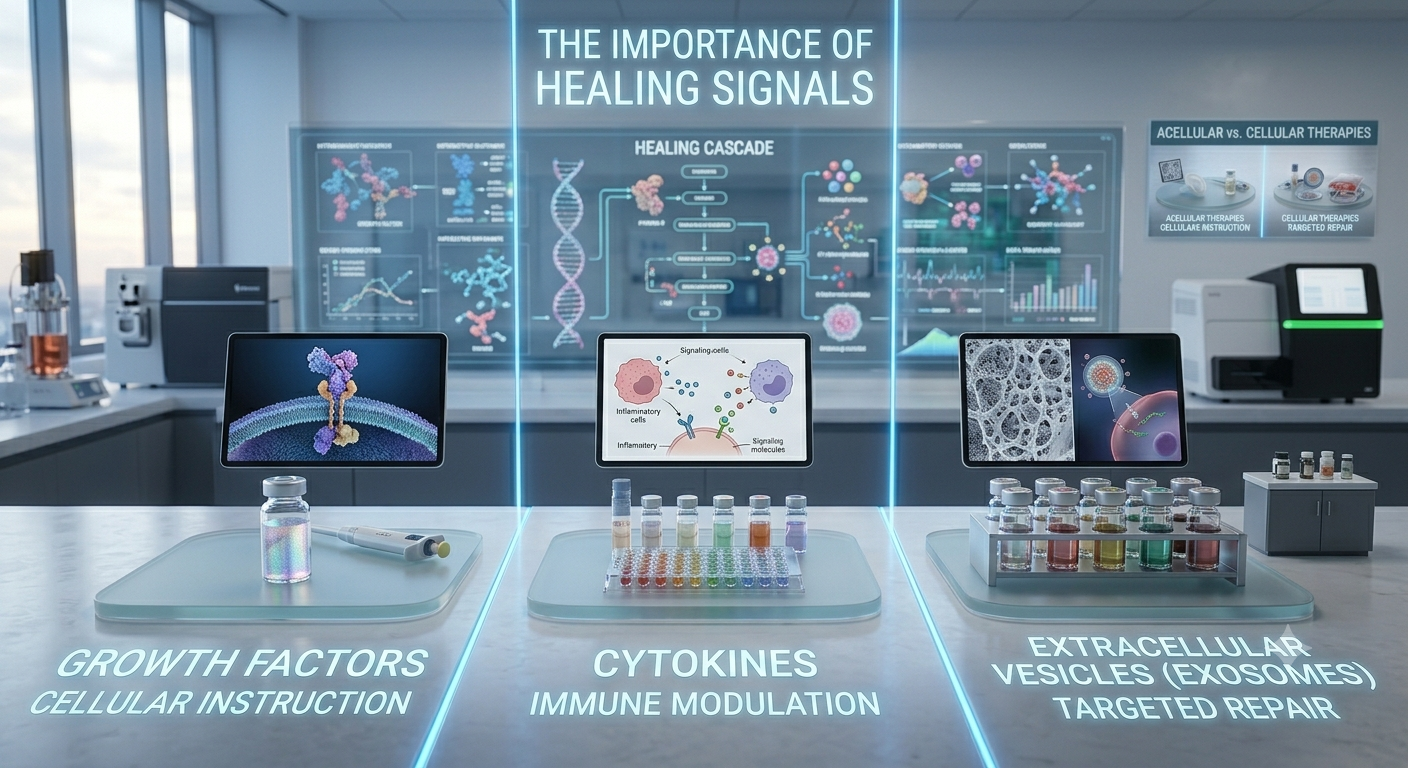
Healing depends on precise communication among cells. Growth factors instruct cells when to
proliferate, cytokines manage inflammation and chemokines recruit immune cells to injury sites.
When these signals are disrupted, healing stalls or becomes incomplete.
RPA therapy aims to restore this communication by delivering a full spectrum of signals, helping
the body move from a chronic inflammatory state into a reparative state. This restorative focus
distinguishes RPA from therapies that simply reduce symptoms.
Composition of RPA
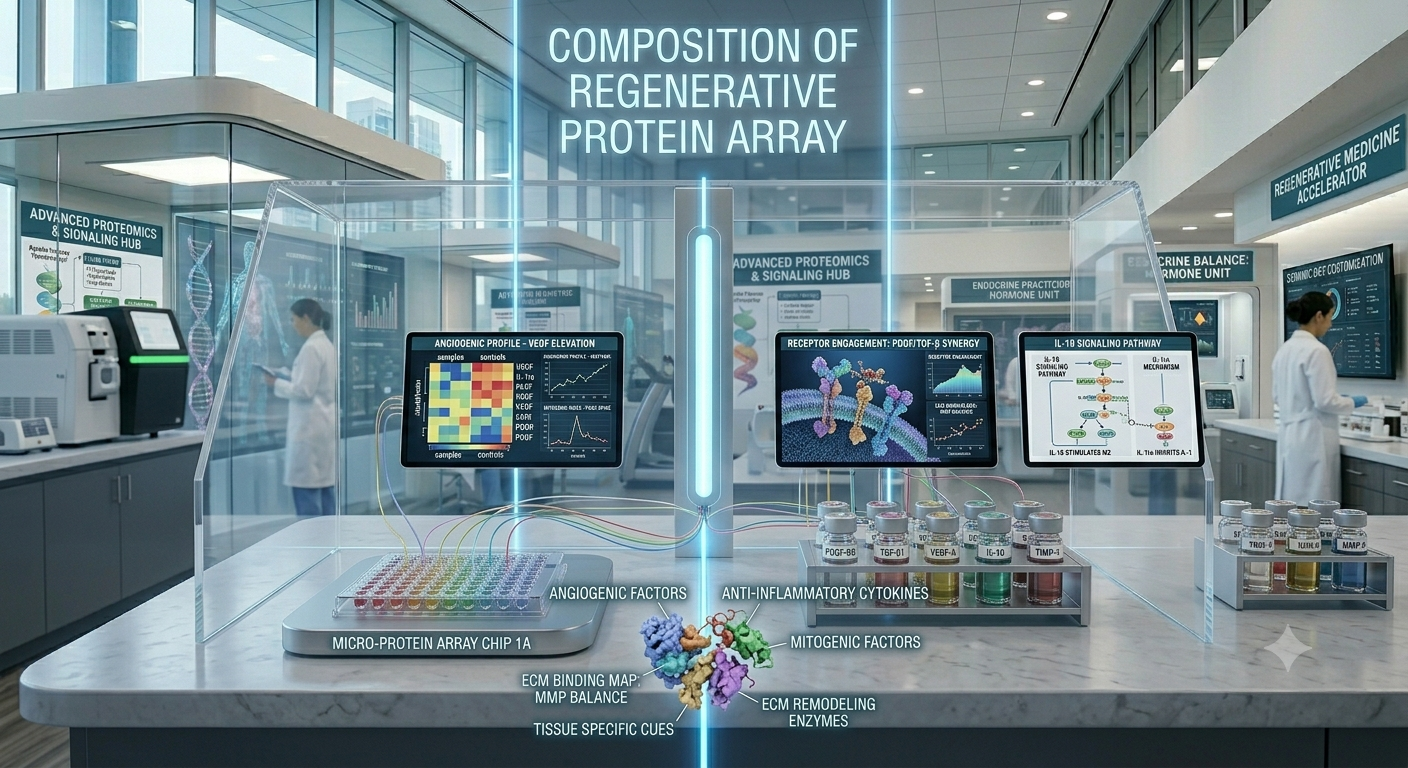
RPAs are derived from placental tissue, which is naturally rich in healing signals. The arrays
contain a broad assortment of proteins, including fibroblast growth factor (FGF), epidermal
growth factor (EGF), platelet‐derived growth factor (PDGF) and transforming growth factor beta
(TGF‐β), as well as cytokines that modulate inflammation.
During pregnancy, the placenta orchestrates rapid growth and immune tolerance. By harvesting
signals from this remarkable tissue, RPA provides a concentrated “instruction set” to guide tissue
repair.
Clinical Applications
RPA therapy is being explored for chronic plantar fasciitis, persistent Achilles tendinopathy, joint
arthritis and degenerative tendon or ligament injuries. These conditions often involve chronic
inflammation and a poor healing environment.
We emphasize that RPA is an adjunctive therapy rather than a stand‐alone cure. It supplies the
signaling “instructions” that complement other regenerative modalities.


Benefits: Calming Inflammation
One of RPA’s primary benefits is its ability to reduce chronic inflammation. The proteins in RPA
help shift tissues from a protective inflammatory state into a reparative state, clearing the way for
healing to proceed.
This anti‐inflammatory effect is particularly valuable in plantar fasciitis and arthritis, where
inflammation persists long after the initial injury has resolved. Calming the inflammatory response
can make other therapies more effective.
Benefits: Supporting Tissue Rebuilding
RPA supports tissue rebuilding by encouraging collagen synthesis, new blood vessel formation
and organized extracellular matrix production. These processes strengthen tendons, ligaments
and cartilage.
Unlike treatments that simply relieve symptoms, RPA addresses the underlying health of the
tissue. When combined with rehabilitation and nutritional support, it may help structures
regenerate more completely.


Benefits: Improving Intercellular Communication
Cells rely on continuous signaling to coordinate repair. RPA improves communication by
supplying a comprehensive range of signals that enable cells to respond appropriately. By
restoring clear “instructions,” RPA helps cells know when to clean up damaged tissue, reduce
inflammation and rebuild structures.
This holistic support may enhance long‐term outcomes compared with therapies that target only
one aspect of healing.
Combining RPA with Shockwave Therapy
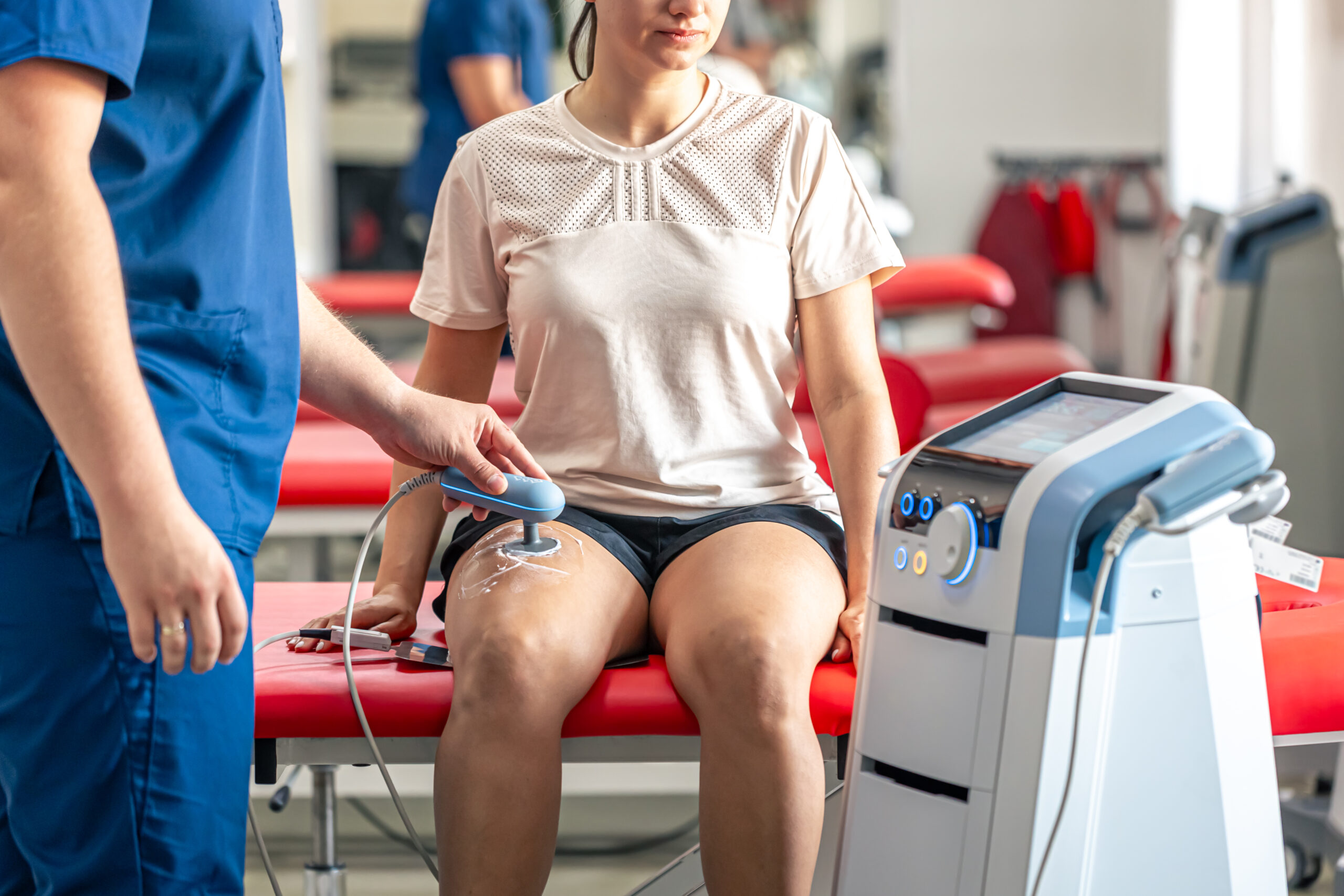
Shockwave therapy increases circulation and cellular activity, priming tissues to absorb and
respond to RPA. When administered before RPA injections, shockwaves create micro‐trauma that
stimulates healing and improves absorption of the proteins.
Combining mechanical stimulation with biochemical signals can accelerate pain reduction and
functional improvements in chronic foot and ankle conditions.
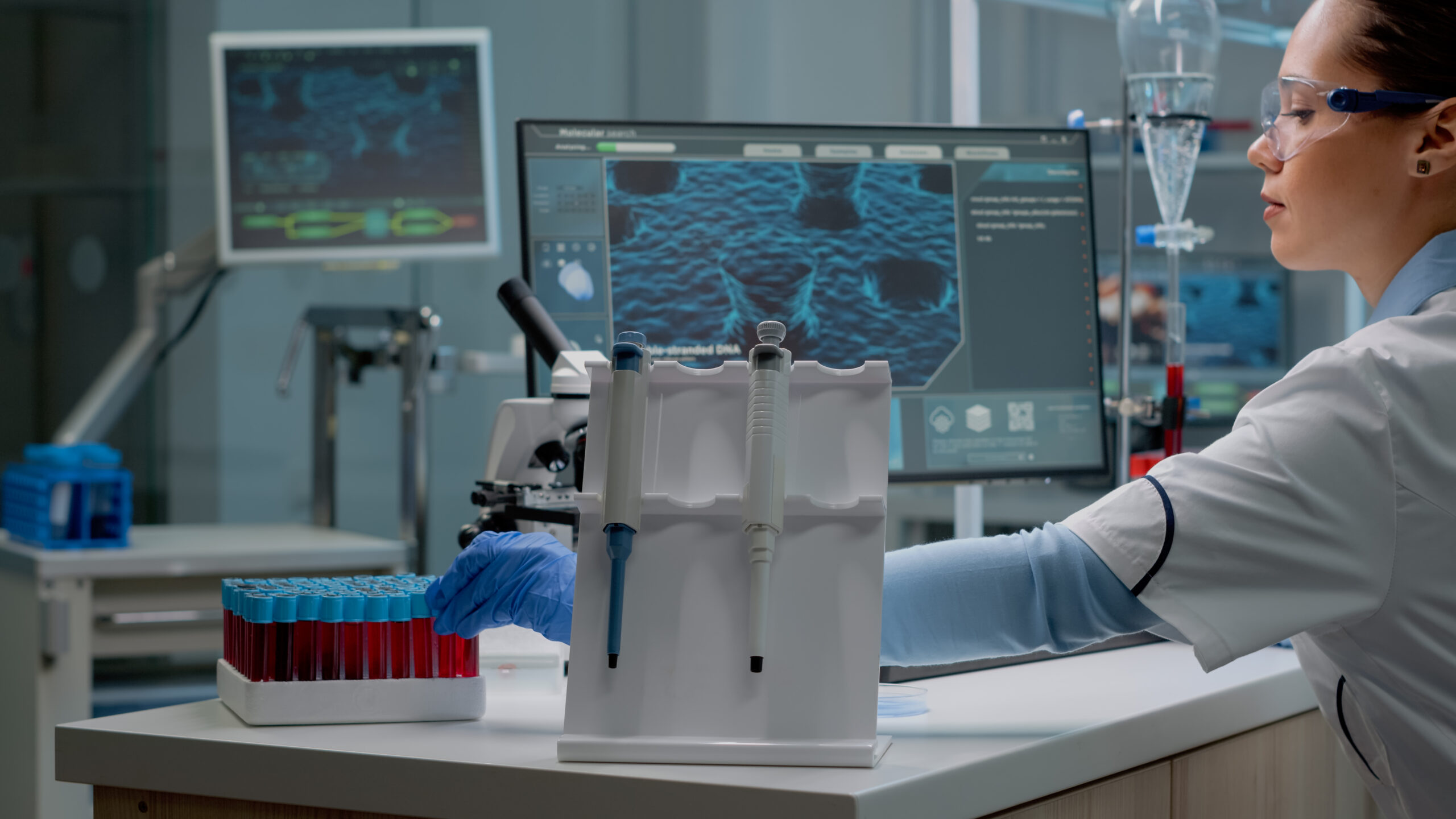
Combining RPA with PRP & Stem Cells
RPA supplies the instruction set, PRP provides concentrated growth factors and stem cells supply
progenitor cells that can become new tissue. Using these modalities together creates a
comprehensive regenerative environment that addresses inflammation, signals and building
blocks for repair.
Investigational peptides may further enhance collagen synthesis and nerve regeneration,
although human data are limited. We tailor the combination of therapies to your condition, goals and preferences.
Personalized Care & Doctor’s Role
Every patient undergoes a thorough evaluation to determine whether RPA is appropriate and how
it should be integrated into their care. Factors such as nutrition, stress levels and biomechanics
influence healing and inform our recommendations. Dr. Souliotis’s expertise allows her to design
personalized protocols that combine RPA with complementary therapies.
Our clinic monitors outcomes and adjusts treatment plans based on the latest evidence. We are
committed to delivering cutting‐edge care while maintaining the highest ethical standards.

Safety, Emerging Evidence & Consent
Because RPA lacks live cells and DNA, it carries a low risk of immune reaction. However, it is still
an emerging therapy and is not FDA‐approved for all indications. We discuss the investigational
nature of RPA, potential benefits, limitations and alternative treatments with each patient.
Informed consent is essential. Patients should understand that RPA supports natural healing
rather than replacing surgery or medication when those are necessary. We follow regulatory
guidelines and ethical sourcing practices for all placental tissues.