
Toenail Fungus Treatment in Lakeway & Lake Travis, TX
WHAT IS IT?
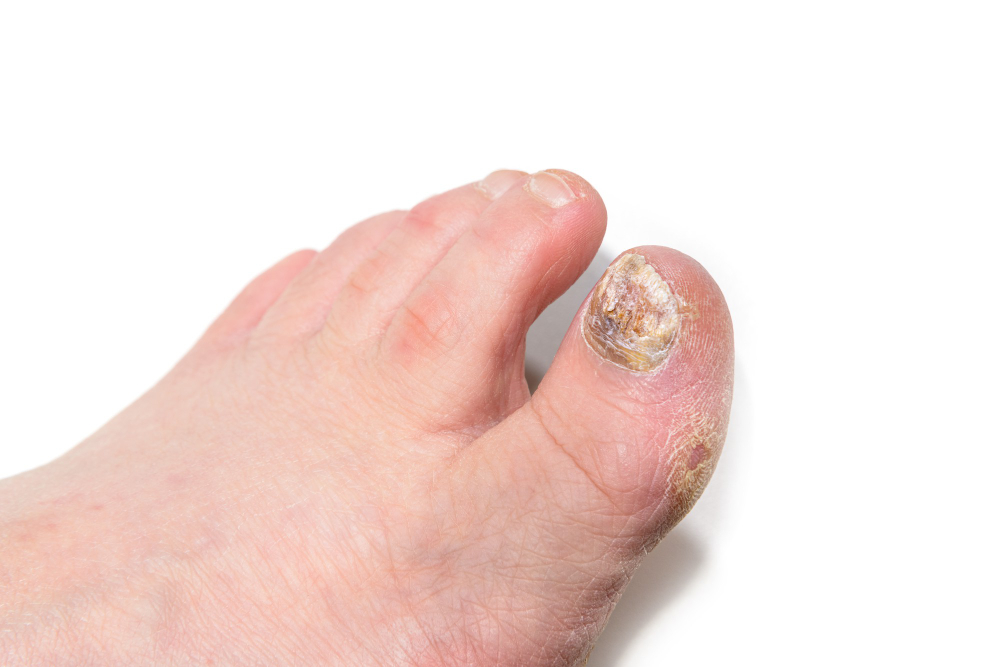
Onychomycosis is a fungal infection of the nail bed, nail plate, or both. Dermatophyte fungi cause the majority of cases; yeasts and non-dermatophyte molds account for the remainder. The infection begins at the tip or sides of the nail and progresses toward the root. Without treatment, the entire nail can become involved and may eventually separate from the nail bed.
COMMON CAUSES
- Walking barefoot in communal areas (pools, gyms, nail salons)
- Moist, warm footwear environments
- Nail trauma creating entry points
- Poor circulation (especially in diabetic patients)
- Weakened immune system
- Family history of nail fungus
- Athlete's foot (tinea pedis) spreading to the nails
SIGNS & SYMPTOMS
- Yellow, white, or brown nail discoloration
- Thickened, brittle, or crumbly nail texture
- Nail separating from the nail bed (onycholysis)
- Distorted nail shape
- Debris accumulating under the nail
- Foul odor from affected nails
- Itching or burning of surrounding skin
TREATMENT OPTIONS
- Lunula Laser: painless, FDA-cleared cold photon laser — 4 weekly sessions
- Topical prescription antifungal medications (efinaconazole, tavaborole)
- Prevention counseling to avoid reinfection
- Oral antifungal medications (terbinafine, itraconazole) for severe cases
- Nail debridement to reduce fungal load and improve treatment penetration
- Combination therapy for resistant or severe infections
WHY ELITE FOOT & ANKLE?
Is It Really Toenail Fungus?
Thick, yellow, or crumbling nails are usually blamed on toenail fungus, but fungus is only one possible cause. Psoriasis, repeated pressure in tight shoes, and an old injury can all look the same. Treating a nail for fungus when something else is wrong wastes months.
When the cause is unclear, we can send a nail sample to a lab. This simple test confirms the diagnosis and helps guide treatment. The American Academy of Dermatology also recommends confirming a nail infection before starting treatment.
Anyone with diabetes or poor circulation should have toenail fungus evaluated rather than trying home remedies, because thick nails can cut into the skin and open the door to infection.
Choosing a Toenail Fungus Treatment
The best treatment depends on how many nails are affected, how thick they are, your health, and your preferences. Your options may include:
- Lunula Laser: a painless, drug-free option. Learn more on our Lunula laser page.
- Prescription topicals: applied at home for many months.
- Oral antifungals: often effective, but they require a review of your medications and sometimes blood tests.
- Nail care: thinning thick nails reduces pressure and helps other treatments work.
Whichever path you choose, clear nail has to grow out from the base. Toenail fungus treatment often takes 12 to 18 months to show the final result, so a realistic timeline helps.
Preventing Toenail Fungus From Returning
Nail fungus thrives in warm, damp places. Keep nails trimmed and dry, change sweaty socks, and treat athlete’s foot quickly. Wear sandals on pool decks and in locker rooms, and let your shoes dry out between wears. The summers around Lake Travis, with lots of water and sweaty sneakers, make these habits especially useful.
Our office in Spicewood serves patients from Lakeway, Bee Cave, and nearby. Call (512) 907-3100 to have your nails checked.
FREQUENTLY ASKED QUESTIONS
Yes. Fungus can spread to adjacent nails, to the skin of the feet (causing athlete's foot), and to other people through shared surfaces. Treating promptly protects your other nails and the people in your household.
Over-the-counter treatments are generally ineffective for established nail fungus because the nail plate is too thick for them to penetrate adequately. Prescription topicals, oral medications, or laser treatment are required for reliable results.
Even with effective treatment, you won't see clear nails immediately — toenails grow slowly (1–2mm per month). Treatment clears the fungal infection, and then the healthy nail grows in gradually. Expect 9–12 months to see fully clear nails in most cases.
Terbinafine (the most common oral antifungal for nail fungus) is generally well-tolerated. A baseline liver function test is typically recommended before starting. Side effects are uncommon but include GI upset and, rarely, liver enzyme changes. We'll discuss your health history to determine the safest option.
Wear moisture-wicking socks, use antifungal spray in shoes, dry feet thoroughly after showering, wear sandals in communal areas, and treat any athlete's foot promptly. We provide a full prevention protocol after treatment.