
Plantar Fasciitis Treatment in Lakeway & Lake Travis, TX
Plantar fasciitis is one of the most common causes of heel pain, and it can make the first steps of the morning feel like stepping on a stone. Good plantar fasciitis treatment starts with the right diagnosis and a plan you can follow. Dr. Nolaska Souliotis, DPM, helps patients in Lakeway, Spicewood, Bee Cave, and the Lake Travis area get back to walking, running, and everyday life.
What Is Plantar Fasciitis?
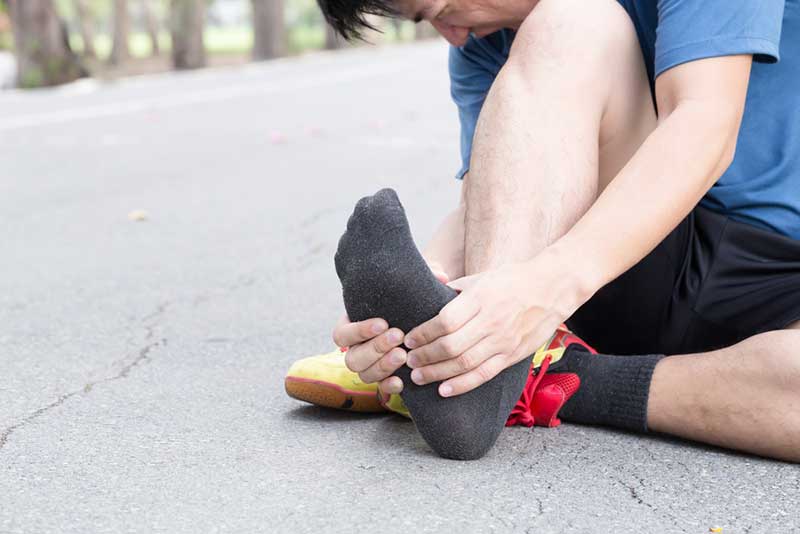
The plantar fascia is a thick band of tissue that runs along the bottom of your foot from the heel to the toes. It supports your arch and absorbs force with each step. When this band is overloaded, it can become painful and irritated where it attaches to the heel bone.
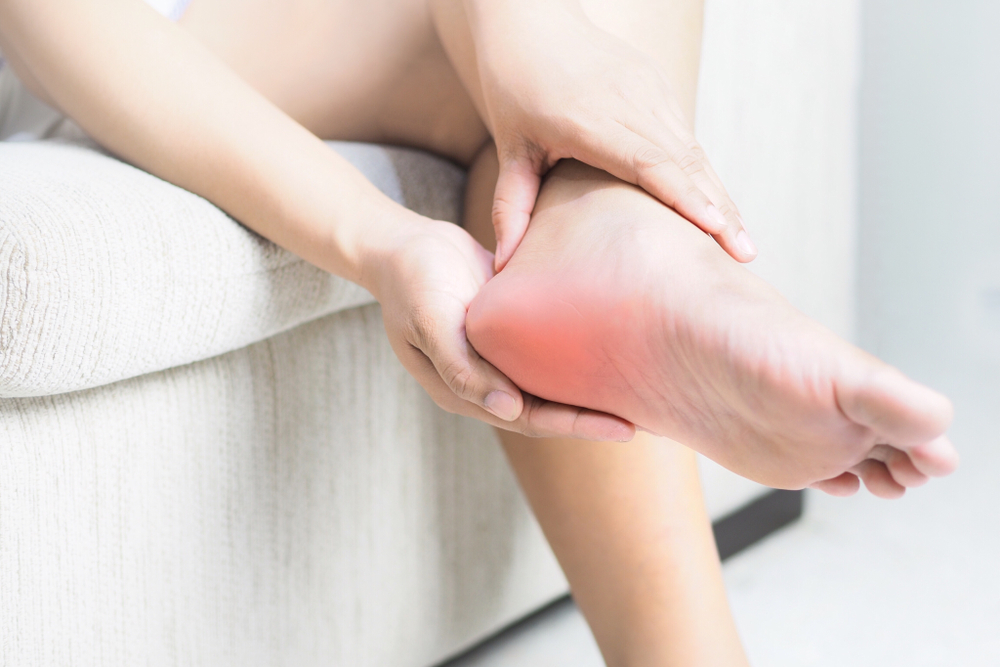
Typical signs include sharp pain under the heel with your first steps, pain after sitting for a long time, and an ache that returns after long periods on your feet.
Who Gets Plantar Fasciitis?
Plantar fasciitis can affect anyone, but it is more likely if you:
- Recently increased your running, hiking, or walking
- Stand for long hours on hard floors
- Have tight calf muscles or Achilles tendons
- Have flat feet or very high arches
- Wear worn-out shoes or unsupportive sandals
- Have recently gained weight
A heel spur may show on an X-ray, but the spur is usually not the cause of the pain. The American Academy of Orthopaedic Surgeons explains the link between the two. Not all heel pain is plantar fasciitis, so visit our heel pain page to learn about other causes.

Plantar Fasciitis Treatment Options
Most people improve without surgery, especially when care starts early. Your plan may include:
- Stretching: calf and plantar fascia stretches done daily, particularly before your first steps
- Supportive shoes: avoiding barefoot walking on hard floors
- Custom support: custom foot orthotics or heel cups
- Night splints: keeping the foot gently stretched while you sleep
- Office treatments: MLS® laser therapy, shockwave therapy, or a carefully chosen injection
- Regenerative options: platelet-rich plasma for pain that has not improved
Plantar fasciitis treatment takes patience. Many patients feel better within weeks, but stubborn cases can take several months. Surgery is rarely needed and is considered only after other options have failed.
Why Choose Elite Foot & Ankle for Plantar Fasciitis Treatment?
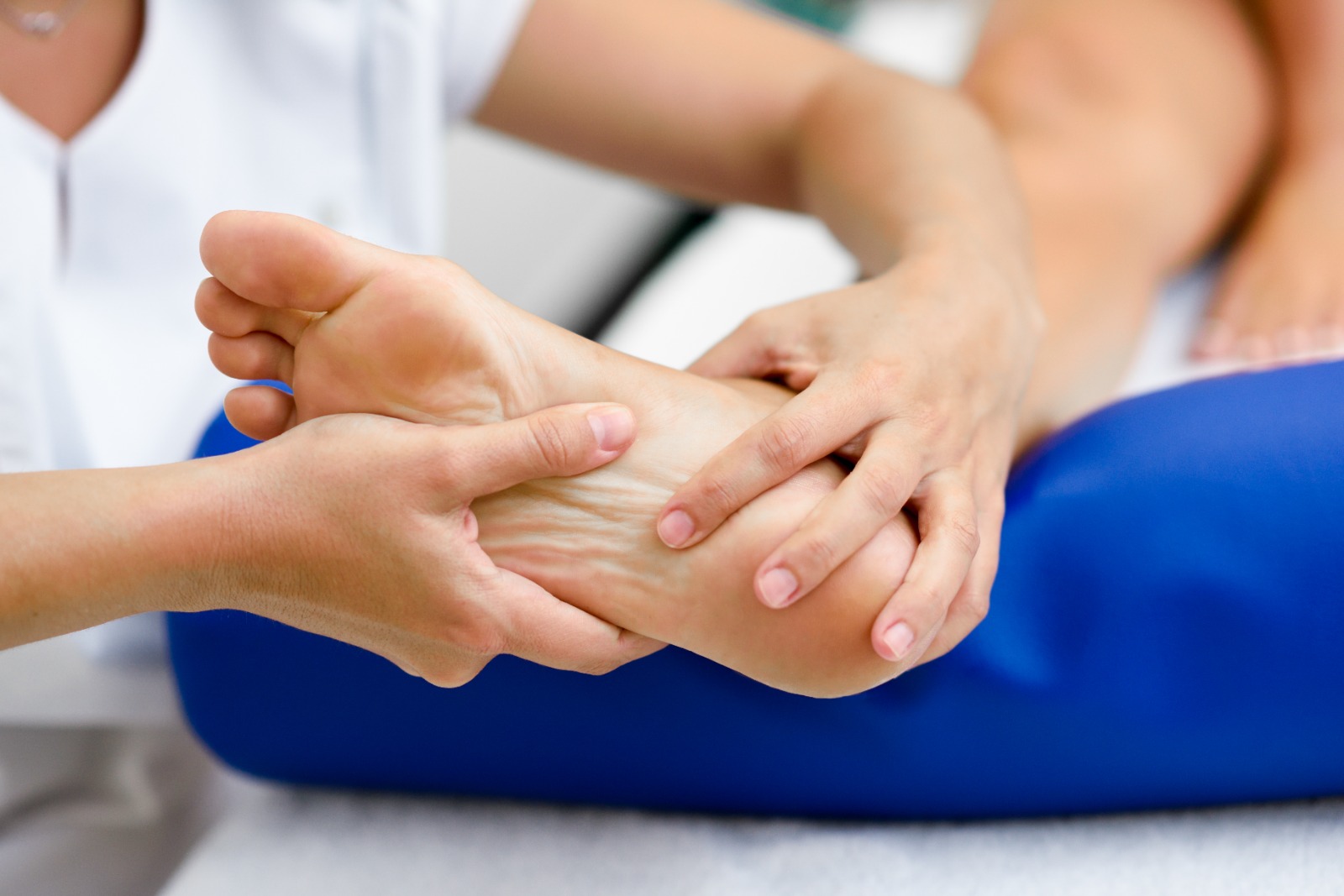
We look for the reason your plantar fascia was overloaded, including your stride, shoes, training, and foot shape. Dr. Souliotis is a board-certified foot and ankle surgeon who has a wide range of nonsurgical options, so you can get a plan that matches your life rather than a one-size-fits-all routine.
Simple Steps You Can Start Today
While you wait for your visit, try these steps. Before getting out of bed, gently pull your toes back toward your shin for 30 seconds. Roll your arch over a frozen water bottle for a few minutes at the end of the day. Wear supportive shoes at home, and cut back on high-impact exercise for a while.
If your pain has lasted more than two to three weeks, or it is changing how you walk, it is time to be seen. Runners and hikers around Lake Travis often wait too long, and early care is usually simpler. Call (512) 907-3100 or request an appointment at our Spicewood office near Lakeway and Bee Cave.
What Plantar Fasciitis Treatment Looks Like Week by Week
Plantar fasciitis treatment works best when it is steady. In the first few weeks, the focus is on calming pain, cutting back on the activities that trigger it, and starting daily stretches. Your plantar fasciitis treatment plan may also include heel cups, a night splint, or a change of shoes.
Over the next several weeks, you will gradually return to more walking and exercise as pain settles. If you are not improving as expected, we may step up your plantar fasciitis treatment with orthotics, laser therapy, shockwave therapy, or an injection. We also check that nothing else, such as a stress fracture or a pinched nerve, is causing your heel pain.
Plantar fasciitis can return if the original causes are not addressed, so keep stretching, replace worn shoes, and build up new activity slowly. This simple routine is often what keeps the pain away for good.
FREQUENTLY ASKED QUESTIONS
Many people improve within several weeks of consistent care, but stubborn cases can take several months. Starting early usually helps.
You may need to cut back for a while. Low-impact exercise such as swimming or cycling keeps you fit while the tissue settles. We can guide your return.
Not usually. Spurs are common and may be seen on X-ray, but the pain typically comes from the irritated fascia rather than the spur.
They can help in selected cases, but repeated injections carry risks such as weakening the fascia. We will discuss whether one makes sense for you.
Rarely. It is considered only when pain continues after months of well-managed conservative care.
SCHEDULE YOUR APPOINTMENT
Don’t let morning heel pain limit your day. Call Elite Foot And Ankle Associates at (512) 907-3100 for plantar fasciitis treatment at our office near Lakeway and Bee Cave.